Artificial reefs in the uae coastline: a sustainable solution for marine bio-diversity
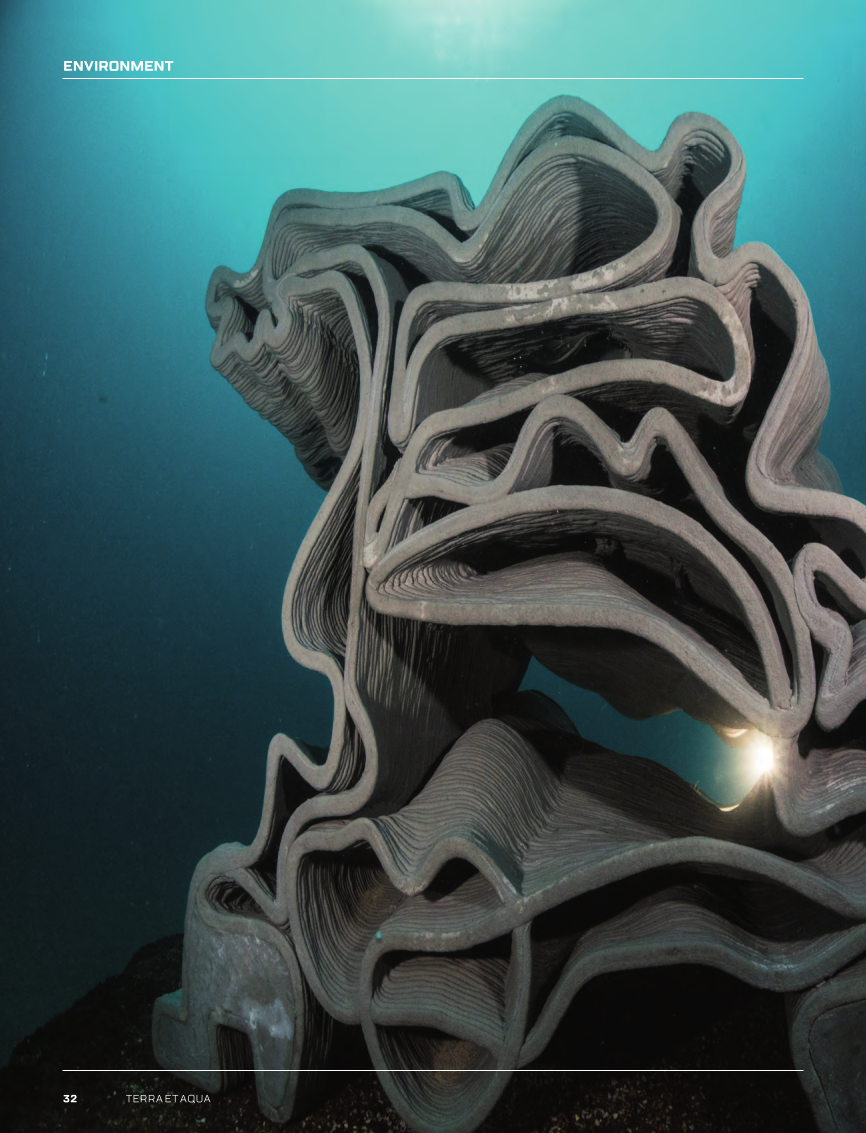
Dredging and reclamation projects have played an important role in the UAE’s rapid development, meanwhile efforts are continuously made to balance progress with marine ecosystem conservation. This paper explores the development of fish domes and 3D-printed artificial reefs, highlighting their role in providing marine habitats, promoting biodiversity and supporting sustainable development. Case studies from Abu Dhabi region demonstrate the effectiveness in restoring marine environment. By integrating innovative reef structures with sustainability goals, the UAE ensures that economic growth aligns with environmental conservation, fostering a resilient marine ecosystem for future generations.
Assessing and evaluating environmental turbidity limits for dredging
Dredging is essential for the maintenance and development of ports, harbours and waterways to allow for safe navigation, remediation and flood management. The process, which relocates large volumes of sediment, can be accompanied by the release of suspended sediments into the water column referred to as sediment plumes.
ASSESSMENT AND MANAGEMENT OF SUSTAINABILITY
In the last edition of DFSI Magazine, the concept of how to integrate sustainability in relation to dredging projects was explained. The focus of this article, adapted from the fourth chapter of the Dredging for Sustainable Infrastructure book (2018), discusses the assessment and management of sustainability activities that need to be implemented in a project and provides the theme for this issue.
Assessment of Offshore Sand and Gravel for Dredging
Offshore sand and gravel at depths of -60 metres form an important economic resource. Accurate assessment of these offshore deposits are important to prevent environmental problems, conflicts and delays.
Assessment of Short Term Environmental Impacts on Dredging in a Tropical Estuary
In this new study, Cochin, the second largest harbour on the west coast of India, is thoroughly examined for environmental impacts during and after dredging.
Award winners share their innovative designs
Cutter head repairs in the dredging industry have long been associated with significant safety risks, such as falls and musculoskeletal injuries due to awkward working postures and the need for lifting. Jan De Nul’s latest cutter head staircase design addresses these challenges by offering a more straightforward and safer solution.
Balancing project progress and limited system knowledge in Amatique Bay
The development of a new marine project demands a system approach in which all aspects, including technical, economic, environmental and social, are considered and integrated equally and at an early stage. While insufficient information may be available to make informed decisions, choices need to be made to progress a project, assess impacts and risks, and engage stakeholders. This article explores the case of a new port terminal in Amatique Bay, Guatemala. A method was developed to assess, at an early stage, the potential negative impacts on seagrass habitats from the disposal of dredged material at different locations, while having limited real-time and location-specific information at hand.