

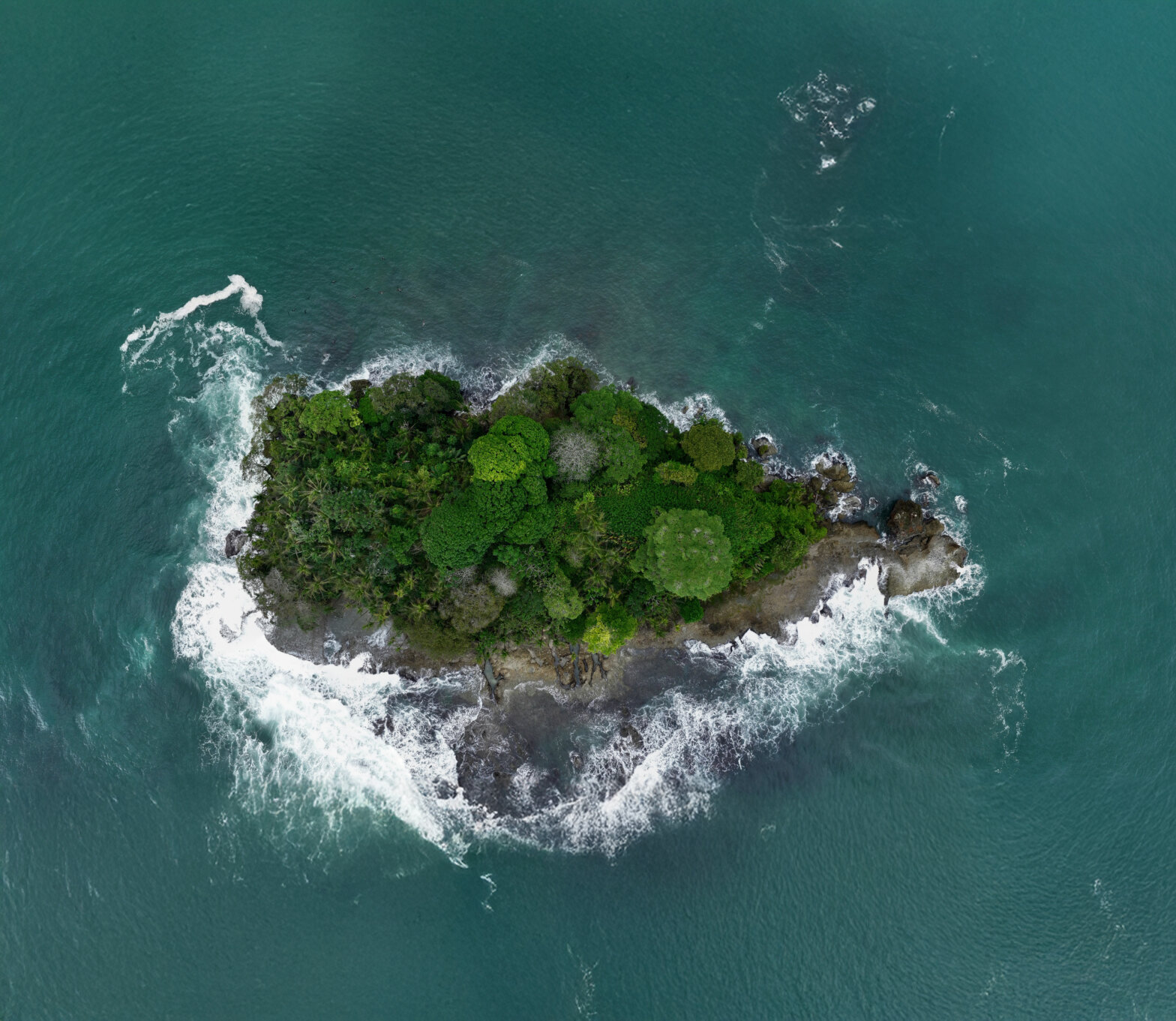
Empowering coastal youth through marine education
Dredging projects often focus on engineering and environmental outcomes, but their social impact can be equally transformative. In Costa Rica, DEME’s maintenance dredging works for the Costa Rican Petroleum Refinery (Recope – Refinadora Costarricense de Petróleo) haves parked a meaningful community initiative. Through the “Friends of the Sea” campaign, DEME, in collaboration with the national NGO called Latin American Sea Turtles Association (LAST), engaged young students from Moín Primary School in environmental education, fostering awareness and responsibility. This article explores how dredging projects can serve as platforms for social engagement, education and long-term sustainability.

GULHIFALHU RECLAMATION PROJECT
Environmental and social management in marine infrastructure projects is fast evolving. In Gulhifalhu’s pristine waters, Boskalis delivered one of the Maldives’ most complex dredging and reclamation projects amid sensitive habitats and high stakeholder expectations. Guided by international best practice and close collaboration with partners, robust controls safeguarded marine habitats while enabling development. The result stands as a blueprint for future projects, demonstrating that sustainable marine infrastructure can deliver lasting benefits for nature, communities and economic progress.

Editorial: Changing of the guard
Frank Verhoeven, President of IADC, shares his thoughts on today’s issues related to the dredging industry and introduces the articles in this issue of Terra et Aqua.
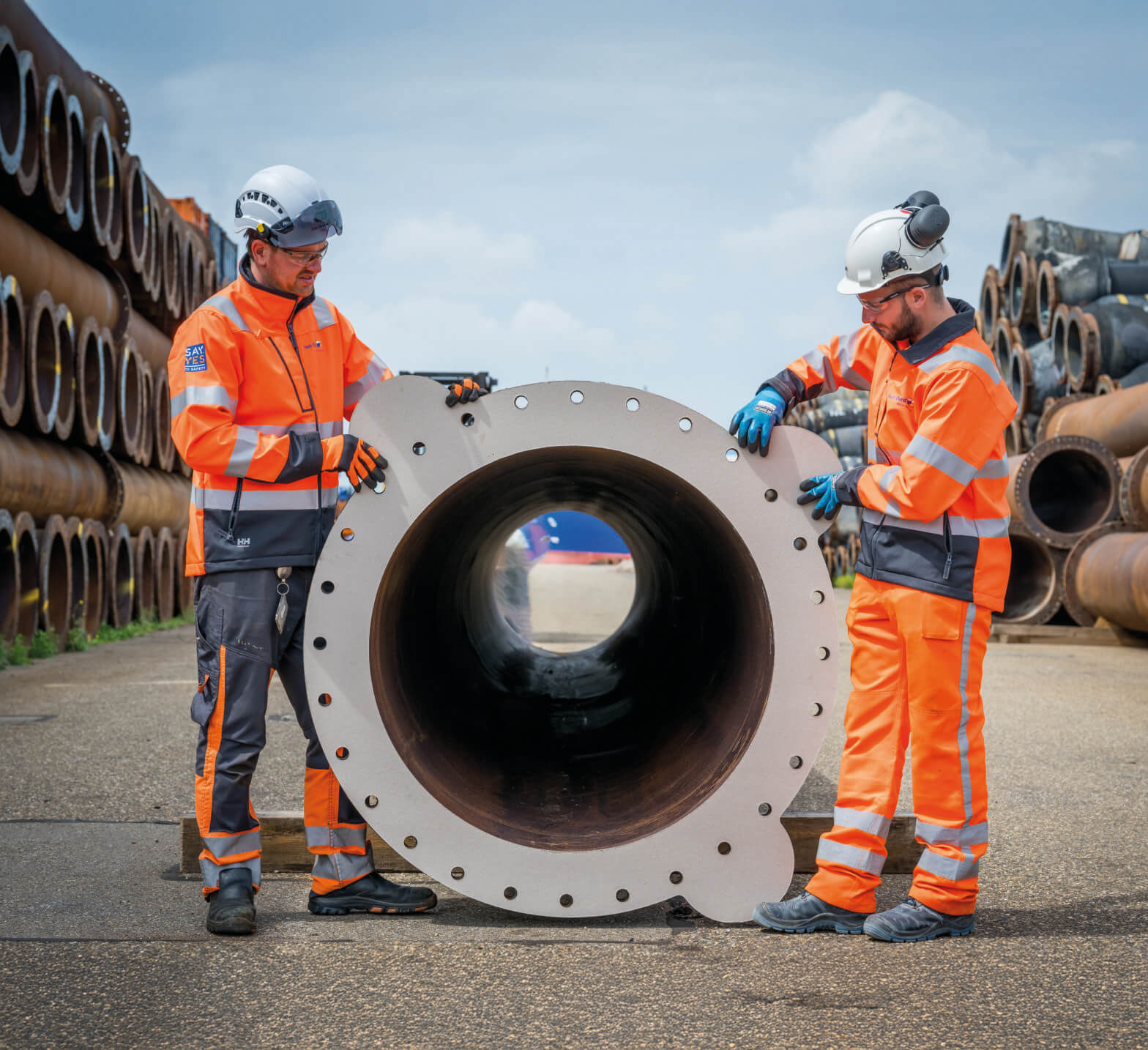
Van Oord’s award-winning reclamation pipe gasket redesign
Sometimes a small improvement can have a huge impact. Van Oord’s new reclamation pipe gasket design significantly reduces the risk of potential finger injuries with an easy to implement and cost-effective solution. The design was chosen as the winner of IADC’s Safety Award 2025.

Laboratory setup to study cutting forces of blunt chisels
Dredging of rock using a cutter head as found on a cutter suction dredger will become increasingly more important as drilling and blasting is often prohibited. Understanding the cutting process and resulting forces on the chisels can lead to improved design and operational efficiency. The majority of experimental and numerical work performed considers rock cutting with an unworn or sharp chisel, often omitting the normal force. This article presents the linear rock cutting setup developed by Royal IHC to study the effect of a worn or blunt chisel geometry on the cutting forces, with the emphasis on the normal force.

Blue carbon – an opportunity for the waterborne transport infrastructure sector
Many ports and harbours operate in and around marine coastal habitats, such as tidal marshes, mangrove forests and seagrasses. Many of these marine coastal habitats are considered blue carbon ecosystems, which play a crucial role in capturing carbon. This article examines how waterborne transport infrastructure impacts blue carbon ecosystems, reviews current mitigation strategies and suggests integrated approaches for sustainable coexistence. We emphasise the importance of collaboration among marine transport authorities, environmental managers, scientists and engineers to protect these essential carbon sinks while supporting the sector's economic contributions.

Submissions for the IADC Safety Award 2025
When individual employees, teams and companies view everyday processes and situations through a continuous lens of safety, they can each contribute to making all aspects of operational processes, whether on water or land, safer. For this year's Safety Award, IADC's Safety Committee received 14 submissions. Each one is assessed on five different categories; sustainability; level of impact on the industry; simplicity in use; effectiveness; and level of innovation.
IADC launches new web resource – Responsible Marine Solutions: DFSI
IADC launches a new web resource – Responsible Marine Solutions: DFSI